Table of Contents
ToggleOverwatch has grown into one of gaming’s most robust hero rosters since its 2016 launch, and by 2026, the character count has reached impressive numbers. Whether you’re jumping into Overwatch 2 for the first time or you’ve been grinding through seasons, knowing exactly how many overwatch characters are there and what each one brings to the table matters. The roster isn’t just a number, it represents years of balance patches, character reworks, and new hero releases that have shaped the competitive meta. With so many options available across tanks, damage dealers, and support heroes, understanding the full roster is the first step to finding your main and climbing the competitive ladder.
Key Takeaways
- As of March 2026, Overwatch 2 features 41 playable Overwatch characters distributed across three roles: 8 tanks, 19 damage heroes, and 14 support heroes.
- The roster expanded significantly from Overwatch 1’s final count of 32 heroes since the transition to Overwatch 2 in October 2022, with new heroes releasing roughly every 4-6 weeks.
- Understanding how many Overwatch characters are there and their role-specific abilities is essential for mastering matchups and climbing competitive ranks.
- Beginner-friendly heroes like Reinhardt (tank), Pharah (damage), and Mercy (support) teach game fundamentals without requiring pixel-perfect mechanical skill.
- New hero releases are methodically paced and tested on the Public Test Realm before launch to prevent balance issues and unintended ability synergies.
- Blizzard commits to regular roster expansions through 2026 and beyond, focusing on addressing meta gaps and preventing roster stagnation through new mechanics and character reworks.
Understanding The Overwatch Character Roster
The Overwatch character roster is the lifeblood of the game’s identity. Every hero is meticulously designed with unique mechanics, ultimate abilities, and playstyles that force players to adapt their strategies. The roster isn’t static either, Blizzard regularly adjusts hero stats, cooldowns, and abilities based on competitive play and casual feedback.
Each character serves a specific purpose on the team, whether that’s creating space for teammates, delivering damage, or keeping allies alive. The beauty of Overwatch’s design is that skill expression varies wildly from one hero to another. Playing Tracer demands precise tracking and positioning, while Reinhardt rewards game sense and aggressive tanking. This diversity is why the roster keeps growing: Blizzard needs fresh mechanics to prevent the meta from feeling stale.
Understanding the roster goes beyond memorizing names. It means recognizing ability interactions, knowing matchups, and appreciating how hero releases shift the competitive landscape. When a new character drops, the entire meta can flip overnight. That’s the power of roster depth in a hero shooter.
What Counts As An Overwatch Character
Not every character design in the Overwatch universe makes it into playable form. When discussing the roster count, we’re talking exclusively about playable heroes available in Overwatch 2’s competitive and casual modes. Story characters, NPCs, and lore figures don’t count toward the roster total, even if they’re iconic to the world.
Playable heroes must meet Blizzard’s standards: they need distinct abilities that don’t overlap too heavily with existing characters, a clear role identity (tank, damage, or support), and mechanics that feel rewarding to master. Some characters from the original Overwatch received reworks when transitioning to Overwatch 2, but they still count as the same hero in roster discussions.
It’s also worth noting that hero availability can vary slightly by region or platform. Console, PC, and mobile versions of Overwatch 2 occasionally have timing differences for new releases, but the total roster count remains consistent across platforms once a hero launches globally. When we talk about roster numbers, we’re referencing the complete, globally available hero pool.
Overwatch 1 Vs. Overwatch 2: Roster Changes
Overwatch 1’s final roster topped out at 32 heroes before the game transitioned to Overwatch 2 in October 2022. That transition wasn’t just a graphics update, it fundamentally changed how heroes played, starting with the shift from 6v6 to 5v5 gameplay.
The tank role took the biggest hit in Overwatch 2. Blizzard removed one tank from every team composition, forcing significant reworks for tanking heroes. Reinhardt, D.Va, Orisa, and others saw ability changes designed to make them viable with fewer teammates around them. Support heroes also received tweaks, though the role remained relatively stable in function.
Since October 2022, Overwatch 2 has added new heroes regularly. The roster has expanded past the original 32, with new damage dealers and support heroes releasing roughly every few months (though the cadence fluctuates based on balance needs). The current roster in 2026 reflects years of post-launch additions and continuous refinement. Unlike Overwatch 1, which received less frequent updates in its final years, Overwatch 2 maintains an aggressive development schedule for hero releases and balance patches.
Current Total Character Count In Overwatch 2
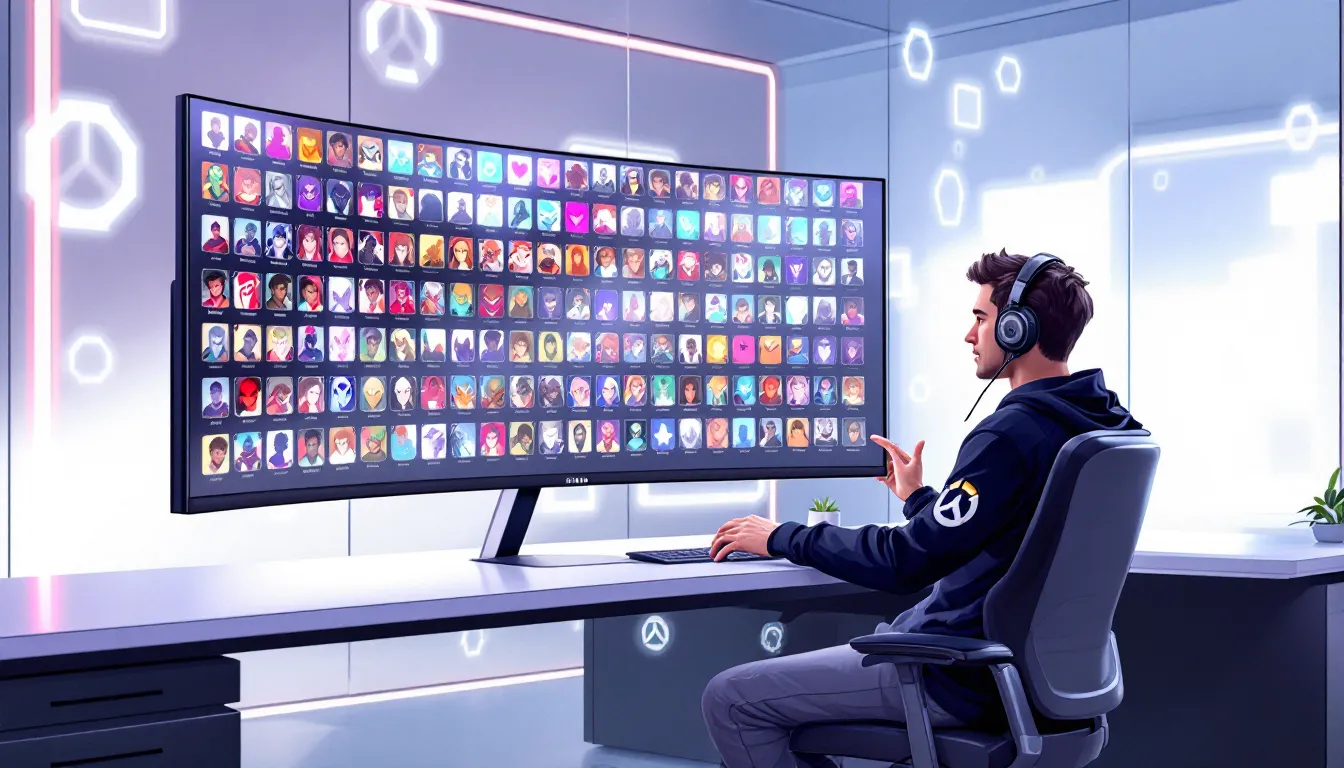
As of March 2026, Overwatch 2 features 41 playable heroes in its roster. This number includes all heroes released through the latest season, spanning from the original Overwatch launch through the most recent additions.
The breakdown is uneven across roles: there are significantly more damage heroes than tanks, which reflects both the playerbase’s preference and design philosophy. Fewer tanks exist because they’re more complex to balance at the top level, too strong and they dominate team fights, too weak and teams struggle to create space. Blizzard has been cautious about tank releases, preferring to rework existing ones rather than introduce new mechanics that might destabilize the role.
Support and damage roles have grown more steadily. New damage heroes arrive with fresh playstyles that don’t cannibalize existing picks, while support additions often address specific team composition gaps or counter-meta trends. The 41-hero roster is healthy from a game design perspective, offering enough variety without creating selection paralysis for new players. Blizzard has indicated plans to keep adding heroes through 2026 and beyond, so expect this number to continue climbing.
Character Roster Breakdown By Role
Tanks
The tank role currently has 8 heroes. These frontline warriors create space, absorb damage, and enable their team to push objectives. The tank roster is tight because each hero needs a unique mechanic while remaining balanced in a 5v5 environment.
Reinhardt remains the quintessential main tank with his hammer and shield, while Winston offers mobility-based tanking. Orisa trades shield strength for personal survivability, and Sigma brings gravity-based control. Newer tanks like Junker Queen and Doomfist (reworked from damage to tank) introduced fresh playstyles that expanded what tanking means in Overwatch. Mauga and Hazmat Suit Suit (if released by 2026) represent more recent design iterations.
Each tank fills different team composition needs. You can’t one-trick your way through all tank matchups, success requires understanding when to play Reinhardt into deathball comps versus Winston into spread-out enemies. The Tank Tier List Overwatch 2 heroes dominate different metas based on patch changes and current competitive trends.
Damage Heroes
Damage heroes make up the largest role with 19 characters, split between hitscan, projectile, and special mechanics. This category is diverse by design, each damage hero should feel distinct in how they deal damage and position themselves in fights.
Tracer remains the poster child for mobility-based damage, zipping around enemies with her pistols and blink ability. Widowmaker occupies the long-range sniper role, while Ashe and Cassidy provide hitscan alternatives with different effective ranges. Projectile damage dealers like Genji, Hanzo, and Junkrat reward prediction and positioning. Newer additions like Kiriko (crossover hero) or other recent releases brought mechanics that didn’t cleanly fit previous categories, expanding what “damage dealer” means.
The meta favors certain damage heroes depending on the patch. When long-range picks are strong, Widowmaker and Hanzo dominate. When ultimate ability spam matters, Junkrat and Pharah rise in priority. Understanding how many overwatch characters are there in the damage role is less about memorization and more about recognizing playstyle diversity.
Support Heroes
Support heroes number 14 characters, handling healing, defensive abilities, and team enablement. Unlike damage heroes, supports usually operate near the backline, requiring different positioning and awareness than frontline tanks.
Mercy dominates the pure healing category with her beam-based style, while Ana provides burst healing with skillshot mechanics. Lúcio offers area-of-effect healing through his aura, creating unique engagement windows. Zenyatta breaks the mold as a damage-focused support, rewarding aim with orb mechanics. Newer supports like Kiriko brought abilities that blend healing with offense, while others like Lifeweaver introduced positioning-changing mechanics.
Support balance is tricky, too much healing and the game stalls out, too little and fights end instantly. Blizzard’s support releases tend to address specific weaknesses in team compositions or counter dominant damage dealers. Mastering Overwatch Hero Abilities across the support role requires understanding cooldown management, positioning, and threat awareness.
The Most Popular And Meta Characters
The meta shifts with every balance patch, but certain heroes maintain consistent popularity. As of early 2026, the competitive scene revolves around heroes with high skill ceilings and defined roles.
Tracer and Genji have remained meta staples since Overwatch’s inception. Their mobility and damage output make them invaluable for diving backlines and forcing supports to reposition. In tank role, Reinhardt and Winston see the most competitive play, with pick rates spiking during specific metas. Widowmaker always emerges when the map pool favors long-range engagements.
Support heroes like Ana and Zenyatta hold strong positions because they offer utility beyond healing. Ana’s sleep dart enables game-changing plays, while Zenyatta’s discord orb amplifies team damage. Mercy remains popular in ladder play but sees less competitive time unless the meta heavily favors ultimate economy.
Newer heroes often enter the meta with a bang but stabilize as players learn counterplay and Blizzard balances them. A fresh hero release can shift the entire competitive landscape, which is why pro teams and content creators obsess over balance patches. Understanding current meta doesn’t mean ignoring off-meta picks, ladder play rewards flexibility, and meta heroes aren’t always the best choice for your playstyle. Resources like Game8 provide regularly updated tier lists that track meta shifts across different ranks.
Recent Character Additions And Updates
Blizzard’s release cadence for new Overwatch 2 heroes has been roughly one every 4-6 weeks during active seasonal content. The most recent additions represent different design philosophies and address specific gaps in the roster.
Recent damage hero releases have focused on unique mechanics rather than traditional hitscan or projectile patterns. These additions bring fresh engagement patterns that force existing heroes to adapt. Support releases typically address healing gaps or enable new team compositions. Tank releases are rarer, but when they happen, they fundamentally shift how teams approach space control.
Patch notes accompany every balance update, adjusting hero statistics like damage per second, ability cooldowns, and ultimate cost. A seemingly minor cooldown reduction (20% on Reinhardt’s shield bash, for example) can elevate an underperforming tank into meta relevance. Players obsessed with competitive optimization track these changes obsessively, while casual players can afford to ignore most patch notes, their impact on mid-ladder gameplay is minimal.
Recent reworks have been more common than new releases. Blizzard sometimes redesigns underperforming heroes rather than releasing new ones. These reworks can be more impactful than new hero releases because they change the fundamental way existing mains play their character. The Next Overwatch Event often coincides with hero releases or significant balance updates.
How New Characters Are Released
Blizzard’s hero release process is methodical and deliberately paced. New characters don’t surprise players anymore, Blizzard teases upcoming heroes through lore, cinematics, and social media weeks before they launch. This build-up generates hype and allows the community to theorize about abilities and playstyle.
Once a hero launches, they typically arrive on the Public Test Realm (PTR) for feedback collection before a live server release. This testing phase is crucial because new heroes inevitably break things, unintended synergies with existing abilities, bugs that enable broken strategies, or damage numbers that turn a character into a must-pick. PTR feedback shapes balance adjustments before the hero reaches casual and competitive play.
New heroes usually launch at a balanced power level, occasionally slightly overpowered to generate engagement and excitement. Blizzard then monitors win rates and pick rates across different rank ranges, adjusting cooldowns and damage values as data accumulates. The first few weeks after a hero release are chaotic as players learn matchups and optimal ability usage.
Hero releases follow seasonal content drops, typically aligned with story events or competitive seasons. This timing keeps players engaged and provides natural breakpoints for balance testing and feedback collection. Unlike some live-service games that drop heroes randomly, Overwatch 2 maintains a predictable schedule, competitive players can prepare and casual players have warning before new mechanics shake up their favorite heroes.
Tips For Mastering The Full Roster
Beginner-Friendly Heroes To Start With
Not every hero suits new players. Some require precise aim, while others demand map knowledge and positioning sense that takes hundreds of hours to develop. Starting with forgiving heroes lets you learn game fundamentals before mastering mechanical execution.
Tanks: Reinhardt is the obvious choice, his playstyle is straightforward (shield teammates, swing hammer, lead the team), and he teaches positioning without requiring perfect tracking. Winston works too if you prefer mobility over shield interactions.
Damage: Pharah is forgiving because her splash damage doesn’t require pixel-perfect aim. Junkrat offers similar appeal, grenades are slow but deal area damage, rewarding positioning over mechanical skill. New players should avoid Widowmaker and Tracer until they’re comfortable with Overwatch’s pacing.
Support: Mercy is the most beginner-friendly support. You fly between teammates, heal through walls, and damage boost allies without worrying about skillshot mechanics. Lúcio teaches you about positional awareness without demanding aim.
Focus on mastering one hero per role before expanding your pool. This builds muscle memory and lets you focus on game sense rather than juggling multiple mechanical skill sets. Playing beginner-friendly heroes also prevents you from blaming mechanics for losses, positioning and decision-making become the focus.
Advanced Heroes For Experienced Players
Once you’ve logged hundreds of hours, branching into mechanically demanding heroes pays dividends. Advanced heroes reward precision, game knowledge, and ability understanding.
Tanks: Sigma teaches gravity-based thinking and shield rotation. Doomfist demands aggressive positioning and punch accuracy, one mistake costs you your life.
Damage: Tracer is the skill floor ceiling, easy to pick up, nearly impossible to master. Widowmaker punishes positioning errors instantly, teaching map awareness through pain. Genji requires deflect timing precision and understanding bounce angles. Mastering Overwatch Hero Abilities at this level means grinding 1v1 scenarios and reviewing pro player footage.
Support: Ana is the advanced support pick, requiring sleep dart precision and healing predictions. Zenyatta forces you to position aggressively while maintaining 3-5 health pools in your head.
Advanced heroes don’t make you a better player automatically, they reveal your weaknesses. Missing sleep darts becomes obvious when it costs team fights. Positioning mistakes on Tracer get punished within seconds. Embrace this feedback loop: it’s how you climb ranks.
Future Character Releases And Roadmap
Blizzard’s official roadmap indicates consistent hero releases through 2026 and beyond. The developer has committed to expanding the roster regularly, though exact timing remains flexible based on balance needs and development cycles.
Upcoming releases will likely continue the trend of addressing meta gaps. If tank play feels stale, expect a new tank with fresh mechanics. If support diversity shrinks, a new support character arrives to spice things up. Blizzard learned from Overwatch 1’s final years that roster stagnation kills engagement, fresh content matters.
There’s speculation about hero releases inspired by the Overwatch 2 story, especially around Overwatch Talon organization and its members. Several characters exist in lore without playable versions yet, creating natural candidates for future releases. The competitive community watches these releases obsessively because new heroes directly impact pro play strategies and team compositions.
Reworks will probably increase in frequency. Rather than releasing 10 new heroes yearly, Blizzard might release 6-8 new heroes while reworking 3-4 underperforming ones. This approach keeps the roster fresh without bloating the total character count. Sources like Game Rant cover roadmap updates and community speculation about upcoming releases.
Conclusion
With 41 playable heroes as of 2026, Overwatch 2’s roster offers something for every playstyle and skill level. Whether you’re climbing competitive ranks or grinding casual games with friends, the hero pool delivers the variety that keeps the game fresh after a decade. Understanding the current character count, role distribution, and meta landscape positions you to make informed hero picks and improve faster.
The roster will continue growing. Blizzard’s commitment to regular releases means new mechanics, playstyles, and strategic possibilities arrive every few months. Staying updated on balance patches and learning new heroes keeps your skills sharp. The beauty of Overwatch’s design is that mastering one hero doesn’t translate directly to another, each character demands respect and study. Whether you’re exploring Overwatch Ages and character lore or purely chasing competitive ranks, the roster supports both approaches. Pick your main, grind your role, and adapt when the meta shifts. That’s Overwatch.