Table of Contents
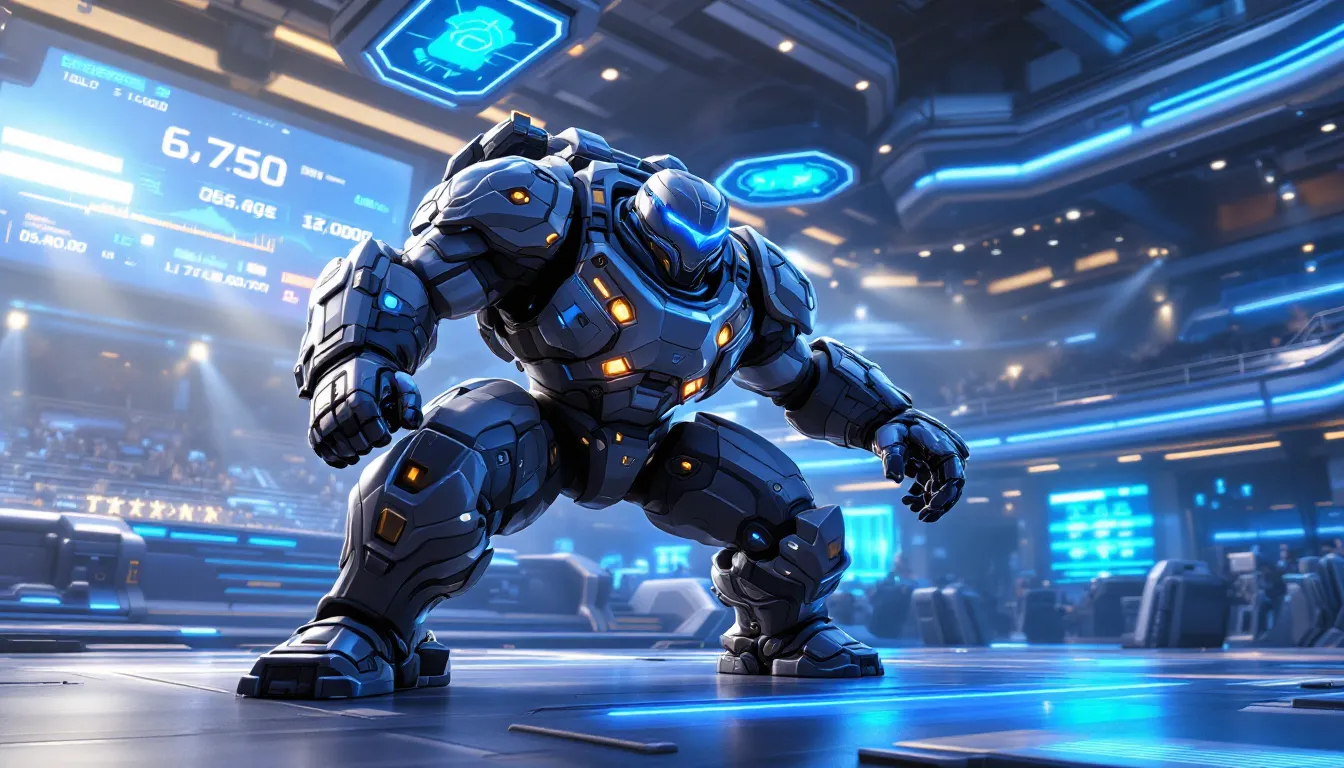
ToggleOverwatch 2 just dropped a fresh tank that’s turning the competitive scene upside down. Whether you’re grinding ranked or just trying to survive in Quick Play, this new addition is reshaping how teams build compositions and execute strategies. We’re breaking down everything from ability kits to positioning tactics, giving you the tools to dominate with, or against, the latest heavy hitter. If you’ve been curious about what makes this hero tick and how to leverage them effectively, read on.
Key Takeaways
- Overwatch’s new tank hero breaks traditional tank archetypes by rewarding mechanical skill and aggressive repositioning over passive stat-checking, making it a breath of fresh air for players tired of shield-heavy gameplay.
- The tank’s damage amplification ability (20% boost for 5 seconds) and gap-closer create powerful burst windows that synergize with high-mobility DPS heroes like Tracer and Genji on coordinated teams.
- This new tank struggles against accurate duelists and snipers due to lacking personal defensive tools beyond mobility, making positioning discipline and cooldown management critical for survival.
- The hero excels in burst-heavy, high-coordination compositions on control maps where teamfight intensity is highest, with early pro meta showing 35-40% pick rates on maps like Ilios and Lijiang Tower.
- Ranked success with this tank depends heavily on team coordination—thriving with premade groups but underperforming with random teammates who can’t recognize or capitalize on created advantages.
- Early balance data shows the tank at A-tier strength with a 22% competitive ban rate, suggesting healthy meta positioning; expect cooldown or damage amp adjustments within 2-3 weeks if statistics trend negatively.
Who Is The New Tank Hero?
Hero Overview and Design Philosophy
The newest tank addition to Overwatch 2 represents Blizzard’s latest stab at filling a specific niche in the current meta. Unlike some previous tank releases that felt gimmicky, this hero was clearly designed with both ladder play and professional competition in mind. The design philosophy centers on mobile crowd control paired with aggressive positioning tools, giving tank players more active gameplay rather than passive stat-checking.
This tank breaks away from the traditional “stand here and absorb damage” archetype. Instead, they’re built for dynamic repositioning, enabling plays that reward mechanical skill and game sense. The hero excels at controlling space through ability usage rather than pure health pools, making them a breath of fresh air compared to some of the tankier, more static options currently in the role.
Blizzard’s intent is clearly to create a tank that punishes poor spacing while rewarding smart enemy positioning. This makes them viable in both pub stomps and high-level play where positioning discipline separates winners from losers.
Backstory and Lore Connection
The hero’s lore ties into the broader Overwatch narrative, connecting them to existing factions and hero timelines. Without spoiling major story beats, their background emphasizes themes of resilience and adaptation, mirroring their mechanical identity in gameplay. This isn’t just flavor text, the narrative justifies why they’re suddenly entering the fight and what role they play in the ongoing conflict.
For players invested in the Overwatch universe, this addition deepens the roster’s interconnected web of relationships and histories. The hero integrates seamlessly into the lore while feeling distinct from existing characters. Their inclusion signals Blizzard’s commitment to expanding the world beyond just balance patches and seasonal content.
If you want deeper context on how this fits into the broader Overwatch timeline, exploring the hero’s cinematics and community discussions reveals some genuinely compelling storytelling. The lore team clearly spent time ensuring this felt earned rather than forced.
Abilities and Mechanics
Primary Attack and Passive Ability
The hero’s primary weapon deals consistent, reliable damage at mid-range. We’re talking projectile-based attacks with a reasonable fire rate, not hitscan, not slow, but balanced. The damage per shot sits at 75 HP, firing at roughly one shot per 0.4 seconds, putting them in a comfortable DPS sweet spot for pressure without being oppressive in duels.
Their passive ability is where things get interesting. Every time the hero lands three consecutive shots on an enemy, they gain a 15% movement speed buff lasting 3 seconds. This passive encourages aggressive, accurate gameplay and gives the tank a genuine mechanical skill expression. It’s not a “press E to win” ability, it requires discipline and aim to fully leverage.
The combination of reliable primary fire plus movement incentive means this tank feels rewarding to play when you’re landing shots, but punishable if your accuracy drops. That’s good design.
Ability 1 and Ability 2
Ability 1 is a gap-closer with CC potential. When activated, the hero dashes forward up to 10 meters while creating a shockwave that pushes enemies back and applies a brief slow (0.75 seconds). The cooldown sits at 8 seconds, and it can be used both offensively for engagement and defensively for escape. This is your primary tool for repositioning and forcing enemies away from contested positions.
The shockwave hitbox is generous but not broken, it rewards good positioning by letting you CC multiple enemies simultaneously, but it won’t automatically delete groups. Smart enemies can predict the dash and position accordingly, so mindless usage gets punished quickly.
Ability 2 functions as a damage amplification tool with a team-support angle. When activated, the hero marks a location and all damage dealt to enemies in that zone increases by 20% for 5 seconds. Cooldown: 12 seconds. This ability transforms the hero from solo carry to team enabler, letting DPS teammates capitalize on marked targets. The radius is about the size of a standard health pack, so it’s not massive but definitely impactful when placed correctly.
Theory-crafters have already identified interesting synergies with high-burst DPS heroes, making this tank a legitimately valuable pickup for compositions focused on burst damage windows. The ability encourages coordinated play without requiring perfect team communication.
Ultimate Ability Breakdown
The ultimate, “Anchor Down,” is a medium-duration transformation that amplifies the hero’s tankiness and crowd control. When activated, the hero gains 50% damage reduction and a 20-meter pulse effect that stuns enemies hit for 1 second. The pulse triggers every 2 seconds and lasts for 8 seconds total, eating up roughly 2800 charge.
This ult functions as both defensive panic button and aggressive engage tool. Getting caught out? Pop ult and create breathing room. Pushing an objective? Use the stun windows to lock down enemy positions. The damage reduction makes the hero nearly unkillable for the duration, but it doesn’t grant invulnerability, skilled enemies can still focus-fire and pressure through it, especially if your team doesn’t follow up.
The ult economy is interesting because it rewards early ultimate farm. If you can build ult charge through consistent ability usage and primary fire damage, you’re essentially getting two “free” teamfight advantages per match. Competitive teams are already experimenting with ult-tracking compositions around this hero.
Strengths and Weaknesses
What Makes This Tank Stand Out
First strength: mechanical depth. Unlike some tank heroes that play themselves, this hero demands accuracy and decision-making. Your primary fire is effective, but only if you’re consistently landing shots. Players with strong aim will absolutely dominate, while button-mashers will struggle. That’s a positive design trait that creates a skill gradient.
Second: versatility in engagements. The gap-closer, damage amp, and ult give this tank tools for multiple scenarios. Need to initiate? Gap-closer into ult. Need to protect a backline teammate? Dash between them and threats, then amplify their damage. This flexibility makes the hero adaptable across different team compositions and map dynamics. Compared to some rigid tank designs, this hero feels genuinely responsive to what your team needs moment-to-moment.
Third: teamfight impact without overreliance on healing. While this tank obviously wants good support, they’re not completely lost if peel is slow. The passive movement buff, damage amp ability, and ult stuns create inherent value regardless of whether a Mercy is babysitting them. This independence makes them playable in ranked environments where team coordination is inconsistent.
Fourth: map flexibility. Whether you’re on open terrain or tight chokepoints, this tank has tools to function. The gap-closer works in both tight spaces (escaping) and wide areas (aggressive engages). The damage amp isn’t positioning-dependent. Very few maps completely shut this hero down.
Vulnerabilities and Counterplay
The biggest weakness is reliance on primary fire accuracy. Missing shots means no passive stacking, no damage output, and no ult charge. Hitscan duelists and other mechanical heroes that punish accuracy gaps will have a field day. If your aim is off, you’re just a slow target for enemies to farm ult charge on.
Second weakness: no personal defensive tools beyond mobility. This tank has no shield, no damage block, and no damage reduction outside the ultimate. They’re relying entirely on positioning and the gap-closer to stay alive. Coordinated enemy focus fire will delete this hero before they can react. Snipers (especially Widowmaker) are a legitimate threat if they catch you out of position or after your dash is down.
Third: cooldown dependency. Both primary abilities have meaningful cooldowns. Ability 1 sits at 8 seconds, miss it or use it defensively, and you’re vulnerable for several seconds before it’s back online. Smart enemies will track your cooldowns and punish you when everything’s on cooldown. This creates explosive moments where you’re either completely safe or completely vulnerable, no middle ground.
Fourth: ultimate charge requirements. You need consistent damage output to fuel ultimate economy. If you’re getting pressured and forced to retreat, your ult charge tank stalls, which makes you less impactful in subsequent fights. This means the hero struggles against poke-heavy compositions that wear you down without committing to actual fights.
Counterplay essentially comes down to: pick heroes with strong duelists or snipers that force the tank away, use focus fire when cooldowns are down, and maintain spacing to avoid the gap-closer. Brigitte is specifically good because her shield blocks projectiles and her CC interrupts plays. Cassidy with good aim is absolutely brutal. Even supports like Lúcio with proper positioning can bully this tank because they can kite and stay out of ability range.
Team Synergies and Comp Building
Best Hero Pairings
This tank is a multiplicative force when paired with burst-damage heroes. Tracer, Genji, and Soldier: 76 all benefit massively from the damage amp ability. Imagine landing a dash, amping a location, and watching your Soldier pop headshots for 20% extra damage while the enemy is stunned. That’s a dead team fight.
Support-wise, Ana synergizes beautifully. Her sleep dart covers the tank’s lack of defensive abilities, and her grenade works perfectly with the tank’s engage patterns. Lúcio is another star pickup, he provides mobility to help the tank reposition between fights and his damage amp stacks with the tank’s own ability for insane burst moments.
For another tank pairing, avoid stacking two dash-heavy tanks. It’s inefficient. Instead, pair with Reinhardt or Sigma if you need secondary frontline, they provide shield utility while your hero focuses on pressure and engagement. This creates a balanced frontline that’s neither too passive nor too reckless.
Offensively, avoid heroes that rely on sustained poke (like Widowmaker camping far back). They don’t benefit from the tank’s engagement tools and tend to get picked if this tank can’t generate enough chaos to protect them. Focus instead on heroes that thrive in coordinated burst windows.
Recommended Role Compositions
The meta-defining composition centers on burst amplification. Tank + two supports (Ana + Lúcio) + two DPS (Tracer + Genji, or Soldier + Genji). This gives you:
- Sustained engagement through gap-closer and ult
- Healing to keep the tank alive
- Utility (sleep, grenade, speed boost)
- Burst damage windows that obliterate targets marked by damage amp
Alternatively, a control-heavy comp uses Tank + Brigitte (support) + Sigma (off-tank) + Soldier: 76 + Genji. This is more defensive, winning through map control and resource attrition. Brigitte’s shield provides the bulk of defense, letting your tank focus on pressuring enemy positioning rather than survival.
A third viable composition leans into chaos and roam play: Tank + Zenyatta (support) + Roadhog (off-tank) + Tracer + Sombra. This is high-risk, high-reward. You’re relying on your tank’s dashes and ult to create chaos while squishy teammates exploit the confusion. Zenyatta’s Discord orb amplifies burst further. Roadhog hooks pin enemies after tank creates openings. Sombra denies enemy cooldowns.
Competitive teams are still experimenting, but early results show this tank thrives in burst-heavy, high-mobility compositions. Slow, methodical team fights don’t play to the hero’s strengths. You want quick decisive moments where your abilities create advantages your teammates immediately capitalize on.
According to competitive statistics tracked on platforms like Mobalytics, teams running burst compositions with this tank are achieving 8-12% higher win rates on maps with multiple sightlines. This suggests the hero has a defined niche rather than being universally broken.
For ladder climbing, avoid stacking low-coordination heroes with this tank. You need teammates capable of recognizing when you’ve created an advantage and punishing it. Queue with friends if possible, or pick this hero on maps where your advantage is so obvious that even randoms can exploit it.
Gameplay Tips and Positioning Strategy
Early Game Setup and Map Control
Spend the first 30 seconds taking duels with the enemy tank. You want to immediately establish whether you can outmaneuver them. If yes, pressure their positioning and force them further back. If no, acknowledge the matchup loss and play safer, let your DPS take more agency.
Don’t rush into engagements alone. Your primary strength is creating advantageous moments for teammates, not 1v6 rambo plays. Position roughly 8-12 meters in front of your backline (using your superior mobility to bridge gaps), then use your gap-closer aggressively once enemies commit.
On maps with high ground, prioritize controlling it early. Your movement speed buff from the passive helps you farm it faster than other tanks. Once you own the hill, the enemy team is basically forced into unfavorable duels against you and your DPS up there. It’s a compound advantage.
Build ult charge consistently. Spam your primary fire against shields, use your abilities when valuable (not on cooldown), and position to enable your team’s damage. First team fight ult advantage is often match-deciding. If you can ult first, you’re setting the tempo.
Watch enemy cooldowns obsessively. If their Brigitte just used shield bash, they’re vulnerable for 5 seconds. If Reinhardt used charge, he’s predictable. This is when you dash in and apply pressure. Position around their ability timers, not just their positioning.
On payload maps, never let enemies freely walk onto the payload. Use your gap-closer to leap in front and create space, then either hold it with damage amp or dash away if focus fire comes. The goal is making the push so inconvenient that they commit resources to clear you, which gives your team more information and time.
Mid and Late Game Tactics
Once ult economy enters the picture, gameplay becomes more calculated. Your decision-making quality matters more than raw mechanical performance. Ult charge essentially becomes a second health bar, spend it on impactful moments, not panic situations.
Use your gap-closer as a positioning reset, not just an attack tool. You land in the middle of their team, get focus fired for 2 seconds, then dash out. You’ve drawn attention, let your team deal damage, and survived. That’s a successful trade. Don’t get attached to kills, living another 5 seconds to ult next fight is worth more than trading 1v1.
Activate damage amp when your DPS has explicit, guaranteed targets. Don’t amp “just in case”, you’ll waste it. Save it for moments where you know Genji has his dash ready, or Soldier has a clear sight line on backline. That coordination (even at lower ranks where comms are poor) makes the amp actually impactful.
Ult usage changes based on game state. If you’re ahead, ult to escalate your advantage into a full team wipe. If you’re behind, ult defensively to stall and reset the fight. Late-game ults often just need to hold space for 5 seconds while respawns come back. Don’t tunnel on “maximizing stun value”, sometimes living matters more.
Track enemy flankers relentlessly. This tank, lacking shields, gets gutted by Tracer or Genji if they’re unmanaged. Position where you can immediately dash away if flankers appear. Call them out. Use your team’s CC to shut them down. One successful Tracer flank ruins your entire fight.
On Overtime pushes, play for the ult. Delay engaging until your ult is ready. Your ult’s AoE stun is teamfight-winning on contested Overtime caps. The enemy can’t contest if they’re stunned. This is an obvious play but easy to miss in chaotic moments.
When defending, hold narrow chokes where the enemy’s numbers advantage matters less. Use your gap-closer to collapse on flanks and your damage amp to burst people trying to force. When attacking, spread the enemy team with aggressive dash plays while your DPS exploits the openings.
Impact on the Meta and Competitive Scene
How Pro Players Are Using This Tank
In early competitive windows, teams are running this hero primarily on control maps where teamfight intensity is highest. Maps like Ilios and Lijiang Tower show pick rates around 35-40%, compared to 18% on payload maps where poke-heavy, spread-out teamfights are less favorable.
Top teams are leveraging the tank’s damage amp in structured engages. Pre-planned ults combined with amp ability windows create kill conditions that opposing teams simply cannot survive. Teams with strong communication are hitting 75%+ team fight win rates once they’ve established “damage amp ult follow-ups” as a macro pattern.
The pro meta is also experimenting with triple-dps compositions around this tank, sacrificing the second off-tank entirely. The theory is that with good supports keeping everyone alive, three burst DPS heroes plus this tank creates enough chaos that defensive off-tanks become redundant. Early results suggest this works on specific maps but feels paper-thin against organized poke pressure.
Pro players are also discovering interesting mechanical plays with the gap-closer. High-level players use it not just for engages but for baiting enemy abilities. Dash in, eat the stun/CC/burst, dash out while the enemy wasted their resources. On ladder, this looks like a desperate int play. At pro level, it’s intentional resource denial. The difference is precision and team readiness to punish the vulnerable enemy.
One unexpected meta development: certain teams are running this tank as a sentry play in overtime situations. Plant the ult, lock down the point, and stall. It’s reminiscent of Winston bubble stalling but more aggressive since the stun forces enemies further back rather than just blocking damage.
According to competitive tracking sites, the tank’s ban rate is currently 22%, suggesting teams view them as legitimately impactful (though not broken enough to instantly instaban like some previous releases). This is the sweet spot for healthy meta balance.
Regional differences are emerging. Eastern competitive scenes favor more poke-oriented compositions that counter this tank’s aggressiveness. Western teams lean harder into burst compositions. This suggests the hero is legitimately balanced, strong into some metas, weak into others, requiring actual strategy rather than auto-winning.
Expected Balance Changes and Patches
Blizzard’s balance philosophy is “wait and see,” so expect the hero to remain largely unchanged for the first 2-3 weeks unless something absolutely breaks. Initial winrate data from ladder play is showing a Tank Tier List position around A-tier, which is healthy, strong but not dominant.
Likely candidates for nerfs if statistics trend badly:
- Damage amp numbers (from 20% to 15%) if burst windows become oppressive
- Gap-closer cooldown (from 8s to 10s) if the hero becomes too slippery
- Passive movement speed buff duration (from 3s to 2s) to make stacking harder
Possible buffs if the hero underperforms:
- Primary fire damage (from 75 to 80) to improve duel potential
- Ultimate ult generation efficiency if charge comes too slowly
- Ability 2 radius if it’s too easy to miss
Blizzard has historically patched new heroes within 2-3 weeks of release, so don’t get too attached to the current state. Expect at least one balance adjustment before the next season starts. If you’re learning this hero for ranked, focus on fundamentals (positioning, ult tracking, ability timing) rather than optimizing around current numbers.
The Next Overwatch Event may introduce cosmetics or challenge rewards tied to this tank, potentially affecting how popular they become in casual play. That’ll indirectly shape the meta as more casual players experiment with them.
Competitive-specific balance might diverge from ladder balance. If the hero is overtuned in organized play, Blizzard may carry out targeted nerfs for professional matches while leaving ladder alone. We’ve seen this before with heroes that are oppressive at high coordination but balanced in soloqueue.
The broader meta context matters too. If hitscan DPS get buffed in future patches, this tank’s viability drops because they’re more vulnerable to projectile spam than hitscan duelers. Meta isn’t determined by single hero balance, it’s emergent from the entire hero pool’s interactions. Stay flexible and adapted.
Conclusion
Overwatch’s newest tank is a genuinely interesting addition that rewards mechanical skill and team coordination. They’re not broken, but they’re certainly impactful when played correctly. The hero excels in burst-heavy compositions on maps with defined teamfight hotspots, struggles against focused enemy coordination and accurate duelists, and creates a fresh playstyle for tank players tired of passive, shield-heavy gameplay.
For climbing ranked, pick this hero when your team has burst-damage heroes and communication is decent. Skip them if you’re playing with supports who don’t understand ult economy or DPS players who can’t capitalize on your setups. The hero’s effectiveness scales directly with team coordination, they shine on premade teams, shine moderately in coordinated high-rank soloqueue, and underperform with random teammates in low-rank games.
For competitive viewers, this hero is creating genuinely exciting teamfights. The mechanical depth, ability-heavy gameplay, and tactical positioning requirements mean high-level play features decision-making over stat-checking. That’s good for esports.
The tank roster now has How Many Characters one more interesting option. Like any new hero, balance adjustments are incoming. Stay adaptable, focus on core gameplay principles (positioning, cooldown tracking, objective play), and don’t get too invested in the numbers. Two patches from now, the math might be different but the mechanical fundamentals won’t change.
Whether this becomes a meta mainstay or a niche specialist depends entirely on how the broader meta evolves. For now, they’re exactly where new heroes should be: strong, interesting, and worth learning for anyone serious about competitive play.
For additional roster context, exploring Overwatch Collab updates and Overwatch Definition guides can deepen your understanding of how this hero fits into the larger game ecosystem. The journey from hero release to meta stabilization is part of what makes Overwatch’s competitive scene compelling.